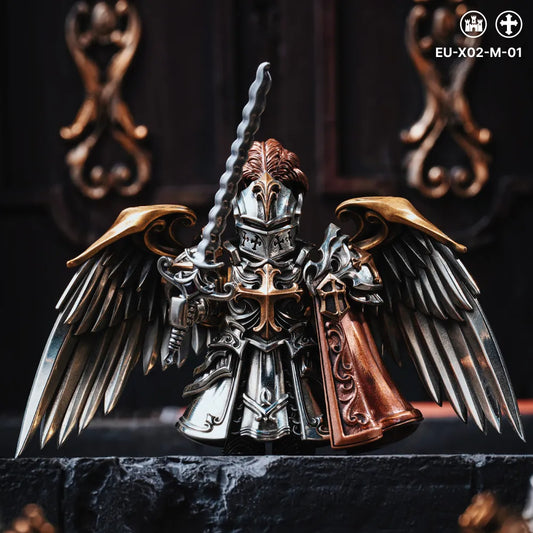
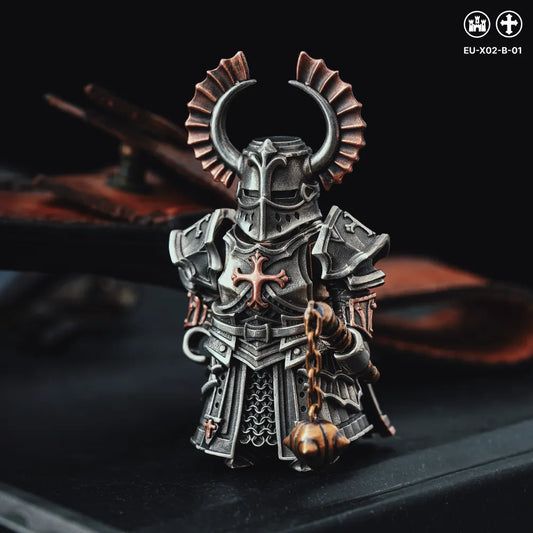
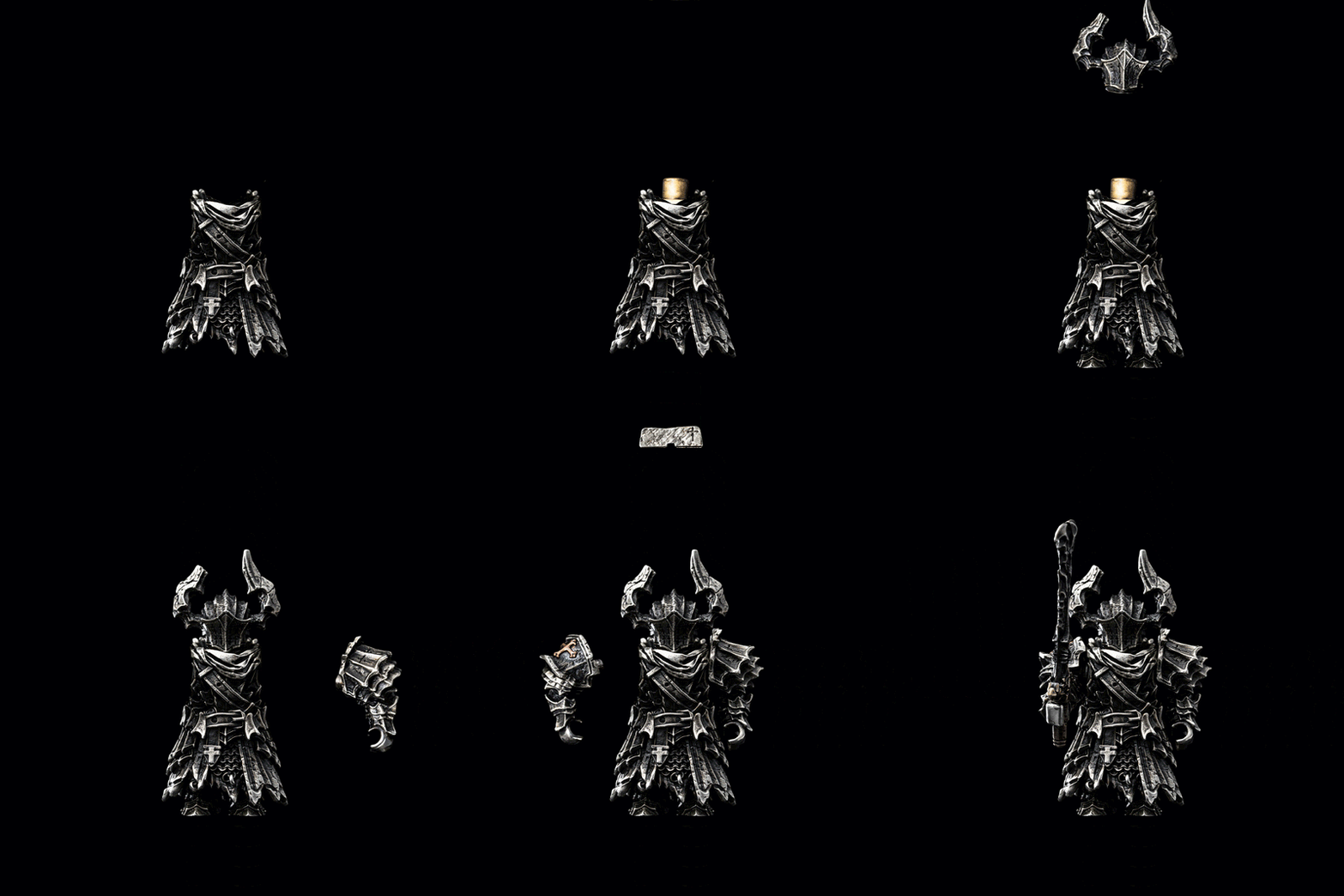
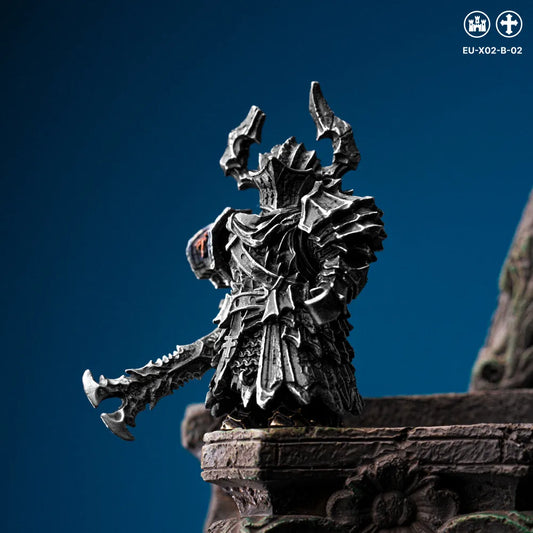
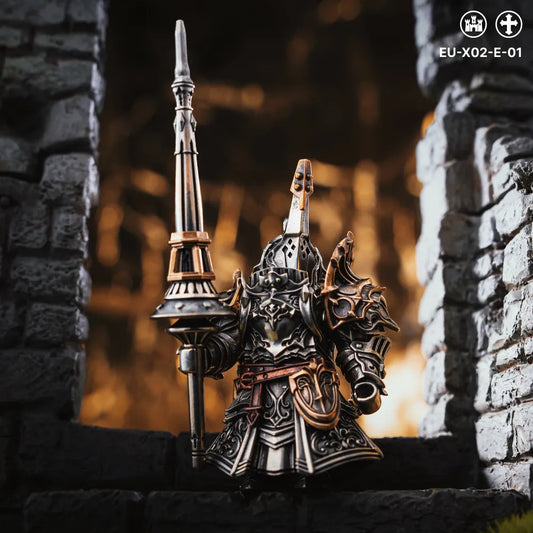
In the world of Europa, what truly turns a crowd into an army has never been armor alone, but the oath itself.
Those who joined the Crusade “took the Cross,” sewing its mark onto their garments and stepping into a new identity. They were no longer just fighters, but expeditionaries bound by rules, discipline, and shared obligation.
This was not a war of a single nation. It was a transnational mobilization: nobles, knights, commoners, mercenaries, and clergy moving together across Europe and the Mediterranean toward the Near East. In 1099, Jerusalem fell, and the Latin states of the East were established. Over the next two centuries, Crusades were launched again and again, until the fall of Acre in 1291 marked the loss of the last major stronghold—and the gradual end of the age of holy expeditions.
What makes the Crusader Oath one of the most defining chapters in the Order of Europa is its transformation of belief into a system. Once the banner was raised, identity took effect. Once the cloak was worn, the oath was written into military law. With the rise of the knightly orders—the Knights Templar, the Knights Hospitaller, and later the Teutonic Order—the oath became more than a personal vow. It evolved into institutional discipline: property, arms, training, rewards, punishment, and chains of command were all codified into the rules of a shared order.
Once sworn, the armored cavalryman was no longer a symbol of individual valor, but an executor of the oath. Expeditions could fail. Kingdoms could rise and fall. But once the vow was made, it demanded its price—until the banner fell, until the host returned, until history remembered that, for a time, they surrendered themselves to a single promise.